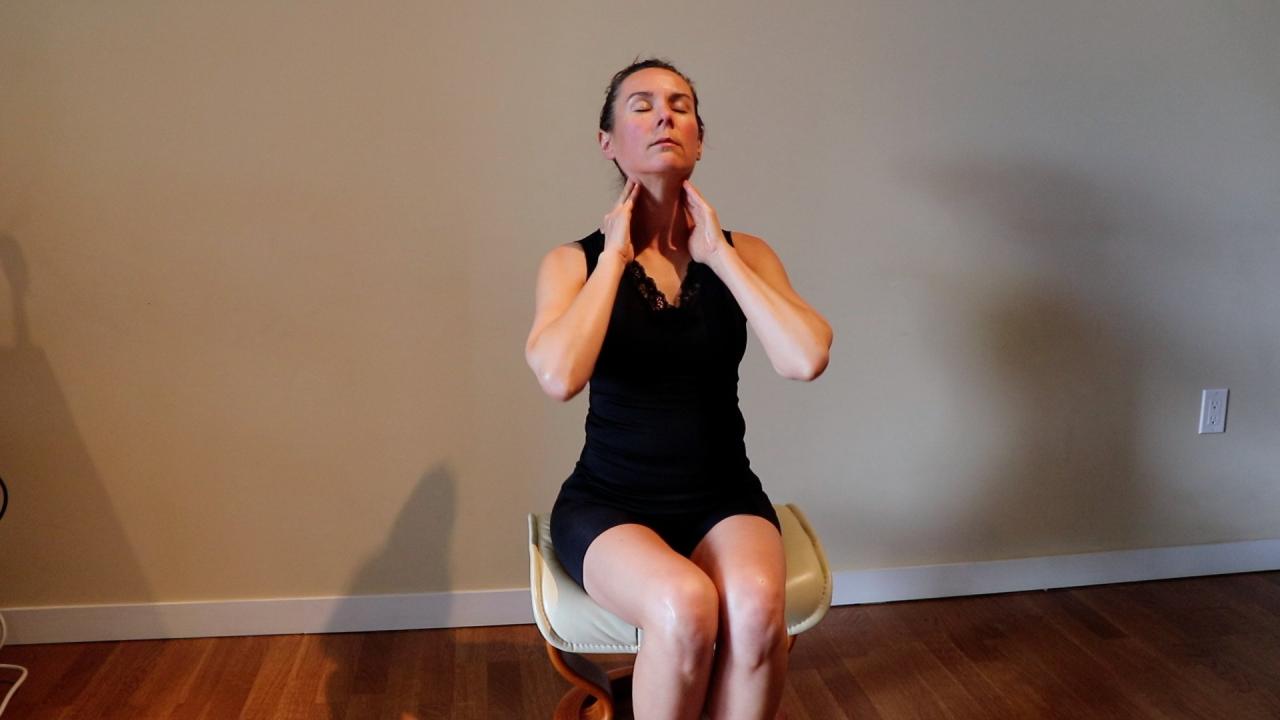
Imagine a world where your hands become your very own stress-busting superheroes! With Self-massage techniques, you can transform your palms into powerful tools that melt away tension and sprinkle a little joy into your day. No need to call in the cavalry; your fingers are ready to rescue you from the clutches of stress and muscle knots.
From your overworked shoulders that carry the weight of the world to those aching feet that have taken you on countless adventures, self-massage techniques offer a delightful array of methods tailored for every body part. Not only do these techniques provide a soothing escape from daily chaos, but they also promote relaxation and improve overall well-being. So, let’s dive in and discover how you can wield your own magical touch to rejuvenate your body and mind!
Self-Massage Techniques
Ah, the fine art of self-massage! Who needs a fancy spa day when you have the magic touch right at your fingertips? Self-massage is like giving your body a little love tap, except it comes with all the benefits and none of the judgmental stares. Let’s dive into some delightful techniques, shall we?Self-massage isn’t just an indulgence; it’s a necessity for our stressed-out, tension-riddled bodies.
With the hustle and bustle of daily life, we often find ourselves holding onto muscle tension like a kid clings to a candy bar. Engaging in self-massage can help release that tension, boost circulation, and even elevate your mood. Whether using your hands, a tennis ball, or a foam roller, these techniques can be lifesavers for your physical and mental well-being.
Self-Massage Techniques for Different Body Parts
Let’s explore some self-massage techniques tailored to specific body parts that often suffer in silence. Remember, self-massage is like a buffet; feel free to pick and choose what suits your palate!
- Neck and Shoulders: Often the hotspot for stress. Use your fingers to knead the base of your skull and along your shoulders. Gentle circular motions can work wonders, almost as if you’re trying to erase a bad day. A tennis ball against a wall can also work if you want to feel like you’re dancing with inanimate objects.
- Lower Back: Sit comfortably and use your fists to apply gentle pressure along your lower back; this is like giving your spine a warm hug. You can also roll on a foam roller to target those pesky knots hiding out like ninjas.
- Hands and Wrists: Your hands do a lot of heavy lifting (literally!), so show them some love. Use your thumb to press into the palm, and don’t forget to give your fingers a stretch, as if you’re trying to reach for that last cookie on the top shelf.
- Feet: Feet carry the weight of the world, and they deserve a break! Roll a tennis ball under your foot or use your thumbs to press along the arch. You might even feel like you’re walking on clouds afterward, and who wouldn’t want that?
Benefits of Self-Massage for Stress Relief and Muscle Tension
Self-massage is not just about relaxation; it’s a multifaceted tool for improving your quality of life. Regular practice can lead to several benefits. Let’s unpack these treasures!
- Reduction of Stress: Engaging in self-massage can help lower cortisol levels, transforming you from a frazzled mess into a serene sage. Think of it as your body’s way of hitting the refresh button.
- Alleviation of Muscle Tension: By focusing on tight areas, you’re essentially sending them a memo saying, “Hey, relax already!” This can lead to greater flexibility and reduced discomfort during your daily activities.
- Improved Circulation: Massaging your muscles encourages blood flow, ensuring your body’s getting the nutrients it needs. It’s like giving your blood cells a little pep talk!
- Mood Enhancement: The release of endorphins during self-massage can lift your spirits, leaving you feeling like you’ve just won the lottery (or at least found a twenty in your pocket).
Step-by-Step Procedures for Effective Self-Massage Using Common Tools
Let’s break down how to use everyday items to optimize your self-massage experience. Grab those tools and let’s get to it!
- Tennis Ball: Perfect for targeting tight spots:
- Find a wall and place the tennis ball between your target muscle (like your back) and the wall.
- Gently lean into the ball, rolling it back and forth until you find a tender area.
- Hold pressure on that spot for 15-30 seconds, breathing deeply like you’re meditating.
- Foam Roller: Ideal for larger muscle groups:
- Lie down with the roller under the area you want to massage (like your calves).
- Use your body weight to roll over the foam gently, pausing on tight knots.
- Think of it as your own personal massage therapist, minus the awkward small talk.
- Massage Oil or Lotion: Enhances the experience:
- Apply a small amount of oil or lotion to the area you want to massage.
- Use your palms and fingers to knead the muscle in smooth, circular motions.
- Imagine you’re a sculptor creating a masterpiece—your body is the clay!
Health and Home Care
Self-massage, the delightful art of kneading your own muscles, has become a superstar in the world of home health care. As we navigate the often tumultuous waters of aging—think of it as sailing through a sea of pillows and arthritis—self-massage serves as a buoy, keeping us afloat. It’s not just a luxurious spa treatment reserved for special occasions; it’s a practical and effective tool for enhancing well-being, especially for our beloved seniors who might be feeling more “pillow” than “power” these days.The role of self-massage in home health care routines can’t be overstated.
It’s like having a personal masseuse who doesn’t charge by the hour and doesn’t mind if you wear those funky pajamas. Regular self-massage can alleviate pain, reduce muscle tension, and improve circulation. This is particularly beneficial for seniors, who often experience stiffness and discomfort. Getting those kinks out not only feels good but can also have lasting effects on mobility and mood.
Impact of Self-Massage on Overall Well-Being for Seniors
The benefits of self-massage extend beyond mere relaxation, creating a positive ripple effect on seniors’ overall health. When seniors indulge in this self-care practice, they experience various physical and mental health benefits that can keep them feeling sprightly and spry.
- Pain Relief: Self-massage can alleviate chronic pain conditions such as arthritis or back pain, making daily activities less daunting.
- Improved Mobility: Regularly working out those knots can enhance flexibility, which is crucial for maintaining independence.
- Stress Reduction: Engaging in self-massage stimulates the release of endorphins—those delightful little brain chemicals that make you feel all warm and fuzzy.
- Enhanced Sleep Quality: A gentle massage before bed can help seniors drift off into dreamland much easier, leaving behind thoughts of bingo and grocery lists.
- Increased Blood Circulation: It’s like giving your blood vessels a personal trainer; improved circulation can lead to better heart health.
Incorporating self-massage into daily health practices is as easy as pie—though hopefully, without the calories. A few simple techniques can be woven into one’s everyday routine, creating a tapestry of care and comfort.
Recommendations for Incorporating Self-Massage into Daily Health Practices at Home
Integrating self-massage into a senior’s daily routine can be an enjoyable and beneficial experience. Here are some practical ways to do it, ensuring they don’t turn into a pretzel in the process:
- Start with the Basics: Encourage seniors to focus on areas that commonly hold tension, such as the neck, shoulders, and lower back. A gentle circular motion can do wonders.
- Use Tools: Consider using massage tools like foam rollers or massage balls. They don’t judge if you drop them or roll off the couch.
- Timing is Key: Set a specific time each day for self-massage. Perhaps right after a morning cup of tea or before bed—consistency is the magic word!
- Incorporate Breathing Techniques: Pairing deep, calming breaths with self-massage can enhance relaxation. Think of it as a spa day in your living room.
- Keep it Short and Sweet: Just a few minutes of self-massage can be impactful. It’s not a marathon; it’s a delightful sprint to relaxation.
In summary, self-massage is a powerful ally for seniors in home health care, transforming their daily routine into a nurturing experience that promotes well-being. Here’s to kneading our way to better health—one sore muscle at a time!
Self-Massage and Mind-Body Connection
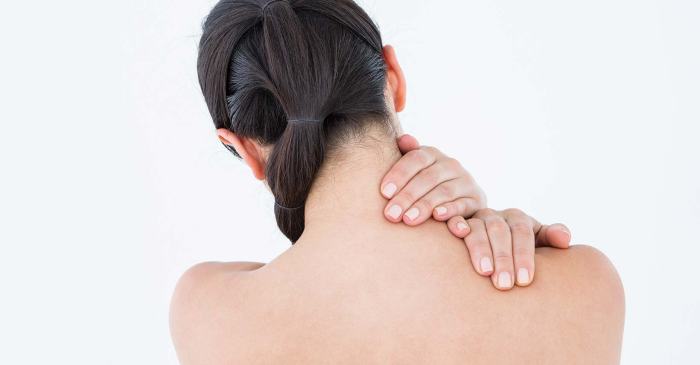
Imagine your mind as a bustling coffee shop and your body as a grumpy barista; self-massage is like a soothing cup of chamomile tea that calms the chaos. Through self-massage, you can bridge the gap between your mental and physical states, enhancing both meditation and mindfulness practices. It’s the ultimate duo, like peanut butter and jelly, but without the sticky mess!Self-massage doesn’t just feel fabulous; it can elevate your meditation sessions from “meh” to “wow!” By pampering your body, you invite your mind to relax and clear away the mental clutter.
When you create space in your muscles and joints, you also create space in your mind, allowing you to reach deeper states of relaxation. Think of self-massage as a gentle nudge towards mindfulness, where every knead and rub is a step closer to inner peace and tranquility.
Using Self-Massage to Improve Mood and Reduce Anxiety
Engaging in self-massage is akin to giving your mood a high-five while also telling anxiety to take a hike. It’s a simple yet effective tool for elevating your emotional state. Here are some effective techniques for harnessing the power of self-massage to boost your spirits and diminish anxiety levels:
- Neck and Shoulder Release: Gently knead the muscles at the base of your neck. This area often holds tension from stress, so by loosening it, you send a message to your brain that it’s time to chill.
- Hand and Wrist Massage: Squeeze and rub your hands, especially if you spend hours typing. This not only releases physical tension but can also be a grounding practice that brings you back to the present.
- Foot Massage: Our feet carry us through life’s ups and downs, so pampering them can feel like a mini-vacation. Focus on the arches and balls of your feet, and you’ll feel the relaxation radiate upwards.
By incorporating these techniques into your daily routine, you could find yourself transforming from “stressed out” to “stoked” in no time!
Combining Self-Massage with Breathing Exercises for Better Mental Health
The magic of self-massage truly unfolds when paired with deep, intentional breathing. This combo acts like a double shot of espresso—energizing and grounding all at once! Here’s how to incorporate breathing exercises into your self-massage routine:Start by finding a quiet space where you can sit or lie down comfortably. Begin with a few deep breaths, inhaling through your nose and exhaling through your mouth, letting the tension melt away.
As you breathe in, visualize calmness filling your body; as you breathe out, imagine releasing stress. Now, while maintaining this breath pattern, incorporate self-massage techniques:
“Breathe in relaxation, breathe out tension.”
- Chest Massage: With each inhale, gently stroke your chest to open up your heart space. This can promote feelings of warmth and compassion towards yourself.
- Temple Massage: As you breathe deeply, use your fingers to rub your temples in circular motions. This can help alleviate headaches and stress, providing clarity of mind.
- Diaphragmatic Breathing: While lightly massaging your abdomen, focus on breathing deeply into your diaphragm. This can enhance relaxation and increase emotional regulation.
Combining self-massage with breathwork not only enhances physical relaxation but also promotes a profound sense of mental clarity and emotional balance. Who knew that enhancing your mood could be so easy—and so much fun?
Outcome Summary
In conclusion, self-massage techniques are like a delightful dance between your body and mind, where every stroke brings harmony and relief. With the power of your own hands, you can nurture yourself, alleviate stress, and tap into the wellness that resides within. So, the next time life gets a bit too knotty, remember that your fingers hold the key to relaxation and bliss.
Now go forth and massage your way to a happier you!
Questions Often Asked
What are the best tools for self-massage?
Some popular tools include foam rollers, massage balls, and even good old-fashioned tennis balls for those hard-to-reach spots!
How often should I practice self-massage?
As often as you like! Regular practice can help keep stress at bay—some people enjoy a quick session daily, while others might do it a few times a week.
Can self-massage help with anxiety?
Absolutely! Self-massage can promote relaxation and a sense of well-being, helping to reduce anxiety levels and improve your mood.
Is there a specific time of day that’s best for self-massage?
Anytime is a good time! Morning massages can energize you for the day, while evening sessions can help you unwind and prepare for sleep.
Can I combine self-massage with other relaxation techniques?
Yes, combining self-massage with deep breathing or meditation can enhance relaxation and improve your overall experience!


