
Clinical nursing is like being a superhero, but instead of capes, we wear scrubs. Armed with stethoscopes and an arsenal of empathy, clinical nurses are the unsung heroes of healthcare, tirelessly working to ensure patients receive the best care possible. From interpreting the unspoken words of a patient’s furrowed brow to managing a medley of medications, clinical nurses juggle a myriad of challenges with grace and a dash of humor.
In this delightful exploration of clinical nursing, we’ll delve into essential nursing skills, the magic of home health care, and the artful integration of holistic practices. We’ll laugh, we’ll learn, and we might even shed a tear or two as we traverse this heartfelt journey through patient assessments, hypertension management, and the mind-body-spirit connection.
Clinical Nursing Practices
Clinical nursing is where the rubber meets the road in healthcare. It’s not just about wearing scrubs and wielding a stethoscope like a superhero’s shield; it requires a unique blend of skills, knowledge, and a pinch of charm to ensure patients feel like they’re in the best hands possible. Nurses are the backbone of patient care, juggling assessments, treatments, and the occasional coffee run while ensuring that everyone from the patient to the physician is on the same page.
Essential Skills Required in Clinical Nursing
The skills necessary for effective clinical nursing can be as varied as the patients themselves. Here, we break down the essential skills that transform nurses into healthcare ninjas:
- Clinical Judgment: The ability to assess a situation and make informed decisions swiftly, often while in the midst of chaos. It’s like being a referee in a soccer match, only everyone is wearing white coats.
- Technical Proficiency: Mastery of procedures such as IV insertion, wound care, and administering medications is crucial. Think of it as being the ultimate handyman, but instead of fixing leaky faucets, you’re saving lives.
- Compassion and Empathy: Patients come to you in their most vulnerable moments, and a sprinkle of kindness can go a long way. It’s like adding whipped cream to hot cocoa – a little extra makes all the difference!
- Time Management: Nurses juggle numerous tasks simultaneously. It requires precision similar to that of a circus performer, but with less glitter and more hand sanitizer.
- Advocacy: Being a patient’s advocate is essential. This means representing their needs and wishes, much like a personal cheerleader – “Go team, get that treatment!”
Significance of Patient Assessments in Nursing
Patient assessments are the cornerstone of effective nursing practice. They allow nurses to collect crucial information that informs care decisions, ensuring that patients receive personalized treatment tailored to their unique needs. Without a thorough assessment, it’s like trying to solve a jigsaw puzzle without knowing what the final picture should look like.A comprehensive patient assessment typically includes:
- Physical Assessment: This involves inspecting, palpating, auscultating, and percussing the patient to gather vital information about their current state. It’s a bit like being a detective, piecing together clues about the body’s condition.
- Medical History Review: Nurses review patients’ medical histories to understand previous conditions, allergies, and treatments. Knowing a patient’s background is like having the cheat sheet for life’s examinations.
- Use of Assessment Tools: Tools such as the Glasgow Coma Scale or pain assessment scales help quantify patient conditions. It’s akin to having the latest gadgets in your toolbox for precise diagnosis.
- Monitoring Changes: Continuously assessing patients allows nurses to track changes in condition and swiftly act if things go awry. Think of it as being on the lookout for storm clouds; timely action can prevent a downpour!
Methods of Effective Communication with Patients and Families
Effective communication in clinical nursing is paramount. It fosters trust, enhances patient understanding, and can even alleviate anxiety. Nurses need to be part doctor, part translator, and part therapist, making sure everyone is on the same wavelength. Here are key methods to enhance communication:
- Active Listening: Engaging in active listening shows patients that their concerns are valid. This means not just hearing words, but truly understanding the sentiments behind them – like tuning into your favorite song, only more meaningful and less catchy.
- Use of Clear Language: Avoiding medical jargon is essential. Instead of saying “hypertension,” just say “high blood pressure.” It’s like giving medical terms a much-needed makeover!
- Nonverbal Communication: Body language, facial expressions, and eye contact can convey empathy and reassurance. Sometimes, a simple smile can be worth a thousand words – or at least as much as a well-written prescription.
- Involving Family Members: Including family in discussions can improve patient understanding and compliance. It’s like forming a cheer squad for the patient’s recovery.
- Providing Educational Materials: Handing out brochures or resources can empower patients and demystify their conditions. It’s like giving them a user manual for their own health!
Home Health Care
Home health care is like having a superhero in scrubs swooping into your living room, armed with stethoscopes and a heart full of compassion. Nurses play a pivotal role in these settings, providing essential medical care while navigating the complexities of patient needs from the comfort of their homes. It’s a delicate balance of professionalism, empathy, and sometimes a little bit of humor to lighten the mood.
Role of Nurses in Home Health Care
Nurses in home health care settings wear many hats, from caregiver to educator, and even counselor. They are often the first line of defense in managing patient health at home. This involves not only administering medications and performing assessments but also teaching patients and their families about treatments and self-care strategies. Here are some key responsibilities that highlight their role:
- Clinical Assessments: Nurses conduct thorough evaluations of patients’ health statuses, looking for changes that may require medical attention.
- Medication Management: Ensuring that patients take their medications correctly can be a bit like herding cats, but nurses provide the guidance necessary to keep everything on track.
- Patient Education: Nurses explain disease processes and treatment plans in layman’s terms, making the complex understandable—sometimes even tossing in a joke or two to lighten the mood.
- Coordination of Care: They liaise with physicians and other healthcare professionals to create cohesive care plans, making sure everyone is on the same page—think of them as the conductors of a health symphony.
- Emotional Support: Just like a good friend, home health nurses lend a listening ear and some much-needed moral support during tough times.
Best Practices for Managing Chronic Conditions at Home
Home health care is vital for patients with chronic conditions, and nurses employ several best practices to help manage these conditions effectively. These practices empower patients to take charge of their health from the cozy confines of their own couches. Here are some strategies:
- Regular Monitoring: Nurses establish a routine for checking vital signs and symptoms, providing a safety net for any sudden changes.
- Creating Action Plans: Personalized action plans help patients know exactly what to do in case of flare-ups or emergencies, like having a fire drill but for health.
- Promoting Lifestyle Changes: Nurses often encourage dietary modifications and exercise regimens, reminding patients that sometimes a little healthy eating goes a long way—like swapping chips for carrots without a total meltdown.
- Utilizing Technology: Telehealth and health tracking apps can be game changers, allowing nurses to remotely monitor patients and adjust care plans as needed—think of it as the modern equivalent of keeping an eye on someone from across the room.
Creating a Safe and Supportive Home Environment for Patients
A safe and supportive home environment is crucial for recovery and ongoing health management. Nurses often evaluate the home setting, offering tips to transform it into a sanctuary that promotes healing and independence. Here are vital aspects to consider:
- Fall Prevention: Removing tripping hazards and ensuring adequate lighting can significantly reduce fall risks—because, let’s face it, falling isn’t just embarrassing; it can lead to serious injuries.
- Medication Organization: Using pill organizers can help patients manage their medications efficiently, turning a potentially chaotic routine into a smooth operation.
- Comfortable Equipment: Ensuring that any medical equipment, like walkers or oxygen tanks, is accessible and user-friendly can help patients maintain their independence while ensuring safety—because nobody wants to feel like they’re wrestling with a giant robot.
- Social Interaction: Encouraging family visits or virtual connections can combat feelings of isolation, making the home feel more like a buzzing beehive rather than a deserted island.
“Home health care is about giving patients the care they need while ensuring they feel at home—comfortably, safely, and with a smile.”
Health and Hypertension Management
In the bustling world of healthcare, hypertension stands as a silent companion, often overlooked until it decides to make a grand entrance. As clinical nurses, it’s our duty to recognize this stealthy foe and wield our knowledge like a superhero cape, armed with interventions that can save the day. Managing hypertension not only enhances patient quality of life but also lightens our nursing load—because let’s face it, no one wants to be caught in a high-pressure situation!Effective management of hypertension requires a multifaceted approach.
First off, understanding the various nursing interventions is crucial, as these strategies can help keep blood pressure at bay. Our role involves more than just monitoring; we’re here to create a supportive environment and educate our patients on making lifestyle changes that can lead to long-term success.
Nursing Interventions for Managing Hypertension
Managing hypertension is akin to being a conductor of a well-rehearsed orchestra, where each intervention plays a vital role in harmony. Here are some effective nursing interventions that can help manage hypertension:
- Regular Monitoring: Keeping a close eye on blood pressure readings can provide valuable insights into the patient’s health; it’s like having a crystal ball, but way more accurate!
- Medication Management: Administering antihypertensive medications ensures that patients stay within the healthy range, providing a solid foundation for further lifestyle changes.
- Patient Education: Equipping patients with knowledge about their condition empowers them to take charge, making lifestyle modifications feel less like a chore and more like a fun challenge.
- Stress Management Techniques: Teaching relaxation techniques such as deep breathing or yoga can help patients find their zen, preventing those pesky spikes in blood pressure.
- Promotion of Regular Physical Activity: Encouraging activities like walking or swimming helps reduce blood pressure while simultaneously making healthy living feel less like a punishment and more like an adventure.
The impact of hypertension stretches beyond just elevated blood pressure; it affects the entire cardiovascular system and can lead to devastating complications like stroke and heart disease. Nurses play a pivotal role in not only managing these risks but also in educating patients about the broader implications of hypertension on their health.
Strategies for Educating Patients About Lifestyle Changes
Sharing knowledge is one of the most powerful tools in a nurse’s toolkit, especially when it comes to lifestyle changes for managing hypertension. Here are some strategies to effectively educate patients:
- Interactive Workshops: Organizing fun and engaging workshops on nutrition and exercise can turn learning into a social event, breaking the ice while building knowledge.
- Visual Aids: Using colorful charts and diagrams can help demystify complex information about blood pressure and its effects; after all, a picture is worth a thousand words!
- Personalized Action Plans: Collaborating with patients to create tailored plans can make the process less overwhelming and more achievable, allowing for a sense of ownership over their health.
- Group Support: Creating support groups provides a platform for sharing experiences and tips, fostering a sense of community and motivation.
Hypertension doesn’t just wear a single hat; it wears many, impacting overall health significantly. Nurses must be vigilant in monitoring for complications and promoting ongoing education.
Impact of Hypertension on Overall Health and Nursing Responsibilities
Hypertension is like that annoying party guest who just won’t leave—its implications linger long after the initial diagnosis. It can lead to various health complications, including heart attacks, kidney damage, and cognitive decline. As nurses, our responsibilities extend beyond basic care; we are educators, advocates, and sometimes even cheerleaders for our patients on their journey to better health.The presence of hypertension in a patient’s life often means we have to juggle multiple responsibilities, ensuring they understand the importance of adherence to their treatment plan, recognizing symptoms of complications, and maintaining regular follow-ups.
“Nursing is a work of heart, and managing hypertension is all about rhythm—keeping the beat steady and the pressure low!”
In this world of high stakes, hypertension management is not just a task; it’s a commitment to improving lives. Each intervention and education strategy we employ is a step forward in empowering our patients to reclaim their health and thrive.
Complementary Health Approaches
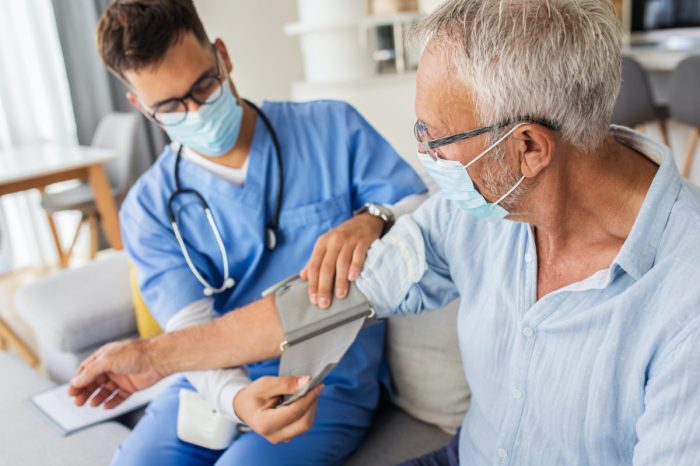
In the ever-evolving world of healthcare, the integration of complementary health approaches is like adding a splash of color to a black-and-white film. These techniques not only enhance patient care but also sprinkle some zest into the often serious realm of nursing. With a focus on holistic well-being, let’s explore how these approaches can be seamlessly woven into the fabric of nursing practice.
Integration of Massage Therapy into Nursing Care
Massage therapy has emerged as a powerful ally in the nursing toolkit. To effectively incorporate it into nursing care, a solid framework is essential. This framework can be visualized as a three-legged stool, where each leg supports the overall purpose of enhancing patient well-being.
- Training and Certification: Nurses must undergo specialized training in massage techniques to ensure they can provide safe and effective therapy. This training could include courses on anatomy, contraindications, and various massage styles tailored to patient needs.
- Assessment of Patient Needs: Understanding when to use massage therapy is key. Nurses should assess each patient’s condition, preferences, and comfort levels, ensuring that any massage techniques used align perfectly with their individual health goals.
- Collaborative Care Plans: Integrating massage therapy into nursing care should involve a multidisciplinary approach. Collaborating with physicians, physical therapists, and even patients themselves ensures that massage therapy is part of a comprehensive care plan that maximizes healing and comfort.
Benefits of Meditation for Patients with Mood Disorders
Meditation is like a mental spa day—it offers a much-needed retreat from the chaotic hustle and bustle of everyday life. For patients grappling with mood disorders, the benefits of meditation can be profound, acting as a beacon of hope amid the fog.
- Stress Reduction: Meditation significantly lowers stress levels, which can exacerbate mood disorders. A systematic review found that mindfulness meditation can help reduce anxiety and depression symptoms by as much as 35%.
- Improved Emotional Regulation: Regular practice helps individuals better manage their emotions. Through mindfulness, patients learn to observe their thoughts and feelings without judgment, leading to healthier emotional responses.
- Enhanced Focus and Concentration: Many mood disorders include cognitive impairments. Meditation can improve focus, which helps patients engage more fully in their daily activities and therapeutic interventions.
Significance of Addressing Men’s Health Issues in Nursing
Men’s health issues often dwell in the shadows like a forgotten sock behind the dryer, but they are critical and deserve the spotlight in nursing practice. Addressing these issues is vital for ensuring holistic care and promoting overall health in male patients.
- Awareness and Education: Nurses play a crucial role in educating men about health risks, such as cardiovascular disease and prostate cancer. Providing resources and information during routine check-ups can help demystify these topics and encourage proactive health management.
- Encouragement of Preventive Care: Many men shy away from seeking medical help. By promoting regular screenings and check-ups, nurses can help break down barriers and foster a culture of preventive care.
- Supportive Environment: Creating a non-judgmental space for men to discuss their health concerns is essential. Nurses can employ empathy and open communication to empower male patients to express their health needs candidly.
Mind Body Spirit Connection
In the realm of clinical nursing, the connection between mind, body, and spirit is akin to a well-orchestrated symphony—every note matters, and the harmony creates a beautiful melody of health and healing. Embracing a holistic approach allows nurses to treat not just the symptoms of ailments but also the root causes by acknowledging the emotional, psychological, and spiritual dimensions of a patient’s health.
This connection can transform the healthcare experience into something significantly more comprehensive and enriching.The importance of holistic approaches in nursing cannot be overstated, as they encourage a well-rounded perspective on patient care. Nurses who consider the mind-body-spirit triad are better equipped to identify the various factors that contribute to a patient’s overall health. This approach fosters an environment where patients feel seen and heard, thus promoting better cooperation and healing outcomes.
Mental health, alongside physical care, can be nurtured using various methods that create a balanced care plan.
Promoting Mental Health Alongside Physical Care
Promoting mental health as an integral part of physical care is vital for fostering resilience and recovery in patients. Here are some effective methods to achieve this balance:
- Mindfulness Practices: Incorporating mindfulness techniques, such as meditation or breathing exercises, can help patients manage stress and anxiety, which often accompany physical ailments.
- Therapeutic Communication: Active listening and empathetic communication create a safe space for patients to express their fears and concerns, thus improving their mental well-being.
- Encouraging Physical Activity: Engaging patients in regular physical exercise boosts mood and improves overall mental health, acting as a natural antidepressant.
- Social Support Networks: Encouraging interactions with family and friends can alleviate feelings of isolation and promote emotional resilience.
- Education on Mental Health: Providing resources and education about mental health can empower patients to understand and manage their psychological challenges.
Integrating Spiritual Care into Clinical Nursing Practices
Spiritual care is an often-overlooked aspect of holistic nursing, yet it can significantly impact patient healing. Integrating spiritual care can be as simple as recognizing and respecting patients’ beliefs and practices. Here are some practical examples of incorporating spirituality into clinical nursing:
- Respect for Beliefs: Acknowledging a patient’s spiritual beliefs can help tailor care to better suit their individual needs, fostering a sense of respect and understanding.
- Spiritual Assessments: Conducting assessments that include spiritual health can provide insight into how beliefs affect a patient’s health outcomes and coping mechanisms.
- Facilitating Rituals: Allowing space and time for patients to engage in their spiritual or religious practices can promote comfort and peace during hospitalization.
- Collaboration with Chaplains: Working alongside healthcare chaplains or spiritual care providers can enrich the care provided to patients, ensuring holistic support.
- Creating a Healing Environment: Designing care settings that promote tranquility, such as quiet areas for reflection or meditation, can enhance both spiritual and emotional healing.
The mind, body, and spirit are not just components of health; they are the symphony that plays the melody of well-being, and nurses are the conductors of this beautiful orchestra.
Health Education and Promotion
In the world of clinical nursing, health education and promotion are like the dynamic duo of Batman and Robin—each plays a vital role in ensuring the community’s wellness. With the right tools, nurses can transform patients into health champions, armed with knowledge instead of capes (though, we wouldn’t judge if you decided to wear one during flu season). This section dives into designing a stellar patient education program, promoting healthy lifestyles, and the superhero importance of regular health screenings and preventive care.
Patient Education Program Design
Creating an effective patient education program is not just about slapping together some pamphlets and hoping for the best. It requires a strategic plan that engages, informs, and empowers patients to take charge of their health. A successful program should include:
- Assessment of Needs: Evaluate the specific health concerns and educational gaps of your target audience. Understanding their unique needs is the first step in crafting a relevant program.
- Clear Objectives: Establish what you want your participants to achieve. Whether it’s managing diabetes or understanding hypertension, clarity is key.
- Interactive Sessions: Use role-playing, demonstrations, and multimedia presentations. Who doesn’t love a good PowerPoint complete with funny cat videos to illustrate the importance of a healthy diet?
- Follow-Up: Regular check-ins post-education can help reinforce the concepts learned and keep the motivation alive. Think of it as a friendly nudge in the right direction, like a gentle push during a yoga class.
Nurse’s Role in Promoting Healthy Lifestyles
Nurses don’t just don scrubs and take blood pressure; they are the front-line warriors in the battle against unhealthy lifestyles. They play a crucial role in promoting health in the community through various engaging activities. Here’s how:
- Community Workshops: Organizing cooking classes, exercise programs, or wellness fairs where nurses can lead discussions on nutrition and fitness can be both fun and educational.
- Advocacy: Nurses can advocate for policies that promote health at the local, state, and national levels. A well-placed “Hey, have you thought about this?” can spark important conversations.
- Building Relationships: Developing trust with patients makes it easier for nurses to guide them toward healthier choices. It’s like being the cool aunt/uncle who also happens to be a health expert.
Importance of Regular Health Screenings and Preventive Care
Regular health screenings and preventive care are the unsung heroes of health management. They catch potential issues before they become serious problems, kind of like alarm bells for your body’s health status. Here’s why they matter:
- Early Detection: Screening can identify diseases like cancer or diabetes at an early stage when they are most treatable. Think of it as a preemptive strike against your health enemies.
- Cost-Effectiveness: Preventive care saves money in the long run, reducing the need for more expensive treatments. It’s like choosing a salad over a double cheeseburger—sometimes you save the calories and your wallet!
- Encouraging Healthy Habits: Regular visits to the health provider reinforce the importance of maintaining a healthy lifestyle, creating a ripple effect in the community.
“An ounce of prevention is worth a pound of cure.” — Benjamin Franklin (and probably your nurse too!)
Conclusive Thoughts
As we close this colorful chapter on clinical nursing, one thing is clear: it’s a field that requires more than just technical skills—it demands heart, humor, and a healthy dose of resilience. From home health care to health education, nurses play a pivotal role in shaping the wellness landscape, proving that compassionate care is the best medicine. So, whether you’re a seasoned nurse or just dipping your toes into this world, remember: in clinical nursing, every day is a chance to make a difference, one laugh at a time.
FAQ Corner
What skills are essential for clinical nursing?
Essential skills include effective communication, critical thinking, compassion, and proficiency in medical procedures.
How do nurses manage chronic conditions at home?
Nurses create personalized care plans, provide education, and offer support to help patients manage their conditions effectively.
What role does patient assessment play in nursing?
Patient assessments are crucial for understanding a patient’s needs and developing a tailored care plan.
How can nurses promote healthy lifestyles in the community?
Nurses can conduct health workshops, provide educational resources, and advocate for wellness initiatives within communities.
Why is holistic care important in nursing?
Holistic care addresses physical, emotional, and spiritual needs, leading to better patient outcomes and overall well-being.


