Welcome to the delightful realm of Chair massage, where relaxation meets practicality, and your office chair transforms into a magical throne of tranquility! Imagine a team of tiny masseuses attacking your knots while you sip your coffee—now that’s multitasking at its finest!
This relaxing practice isn’t just about feeling good; it’s a treasure trove of techniques designed to melt away stress, improve blood circulation, and even elevate your mood. Whether you’re seeking serenity in the workplace or looking to enhance your home health care routine, Chair massage offers a soothing escape that fits right into your busy life.
Chair Massage Techniques
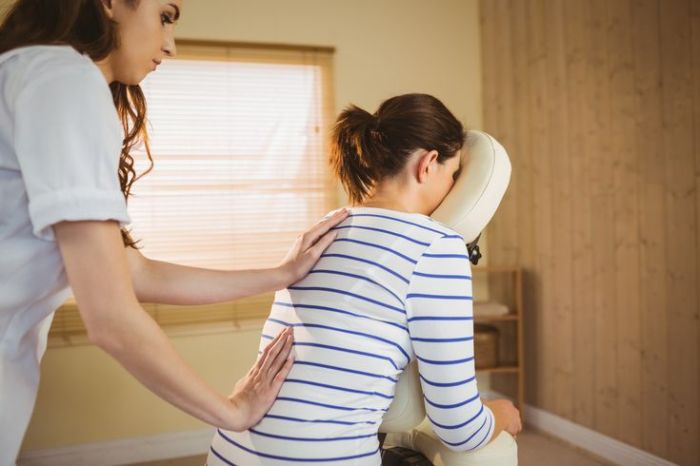
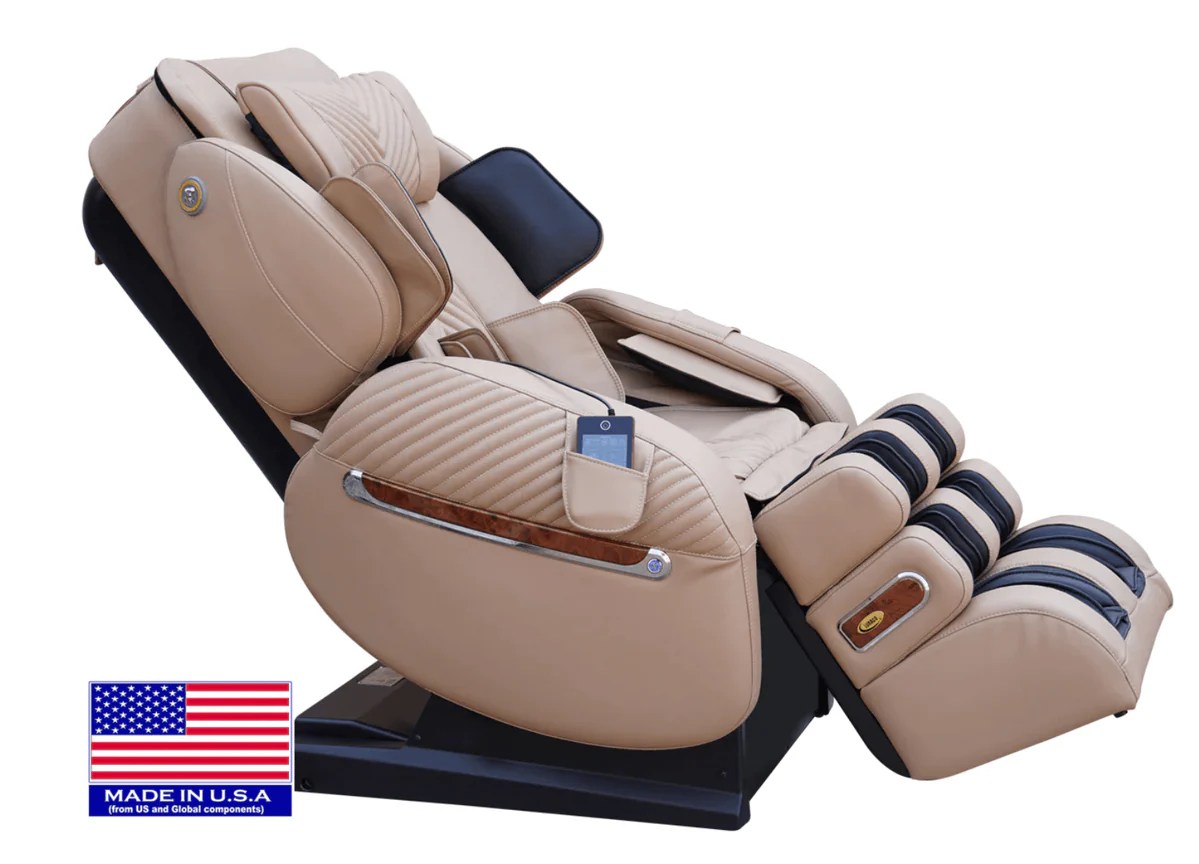
Chair massage is a delightful escape from the daily grind, providing a quick and effective way to alleviate tension and refresh the spirit—all while seated in a specially designed chair that looks like it could double as a space shuttle. The techniques used in chair massage are tailored to address key areas of tension, making it an ideal choice for individuals seeking relaxation during their busy lives or for companies looking to boost employee morale and productivity.The typical chair massage session lasts about 15 to 30 minutes, allowing clients to experience a focused treatment that targets the neck, shoulders, back, and sometimes the arms and hands.
During the session, clients remain fully clothed—no need for awkward exchanges! The practitioner uses a combination of techniques, such as kneading, rolling, and percussion, to work out knots and release stress. Each technique offers specific benefits, ranging from increased circulation to enhanced flexibility.
Chair Massage Techniques Overview
Numerous techniques are employed during chair massage, each designed to target specific areas of tension and provide a range of benefits. Below are some popular methods that are as effective as they are enjoyable:
- Kneading: Just like making dough, this technique involves applying pressure in a circular motion to release tight muscles and improve blood flow. Think of it as a mini workout for your muscles—without the sweat!
- Compression: This involves applying steady pressure to specific points on the body. It’s like a gentle bear hug for your sore spots, providing relief and helping to alleviate stress.
- Rubbing: This technique involves sliding the hands over muscles in a back-and-forth motion. It’s a fantastic way to soothe muscle soreness and promote relaxation, almost like giving your body a warm pizza box of comfort.
- Percussion: This delightful technique uses rhythmic tapping motions to stimulate muscles and increase circulation. It’s akin to giving your muscles a gentle pep talk, saying, “You got this!”
- Stretching: Gentle stretching is incorporated to enhance flexibility and range of motion. Picture your muscles unfurling like a sunflower reaching for the sun—pure bliss!
Integrating chair massage into corporate wellness programs can revolutionize the workplace environment, bringing joy and relaxation to employees while boosting productivity. Companies can offer chair massage sessions during breaks or as part of health initiatives to promote well-being among staff. This approach doesn’t just pamper employees; it can also lead to reduced stress levels and increased job satisfaction.To effectively implement chair massage in the workplace, consider the following strategies:
- Regular Schedule: Set up a recurring schedule, such as weekly or bi-weekly sessions. Regular access to massage can keep stress at bay, allowing employees to recharge their batteries.
- Designated Spaces: Create a tranquil area for massage sessions, perhaps with calming music and soft lighting. This little slice of paradise can help employees unwind and escape their workday chaos.
- Incentives: Offer incentives for participation, such as wellness points or a raffle for additional prizes. Who doesn’t love the chance to win a spa day or extra vacation time?
- Feedback Mechanism: Establish a way for employees to provide feedback on the service. Their insights can help tailor the massage experience to meet everyone’s needs and desires.
Integrating chair massage into corporate culture can result in happier employees and a more vibrant work environment. So, let’s get the massage rolling—after all, a little relaxation goes a long way in powering through those deadlines!
Health Benefits of Chair Massage
Chair massage is more than just a delightful escape from the daily grind; it’s a ticket to a healthier, happier you. Picture this: you sit back, close your eyes, and let the soothing touch of skilled hands melt away your worries. In a world where stress sometimes feels like an unwanted houseguest that just won’t leave, chair massage acts like a gentle eviction notice for tension, leaving you refreshed and ready to tackle whatever life throws your way.Chair massage works wonders on both the body and mind, offering a plethora of benefits that go beyond mere relaxation.
It’s like having a mini-vacation in the middle of your workday! This form of massage is particularly beneficial for those dealing with hypertension—let’s just say, it’s a much better way to manage blood pressure than shouting at the traffic on your commute. The gentle kneading and rhythmic pressure not only help to alleviate muscle tension but also promote better circulation.
Let’s dive deeper into the benefits.
Impact on Stress Reduction and Relaxation
The stress-busting capabilities of chair massage are nothing short of amazing. When you sink into that ergonomic seat, your body releases a delicious concoction of endorphins, those magical little hormones that make you feel like dancing—even if it’s just in your imagination. Here’s what happens when you indulge in a chair massage:
- Decreased cortisol levels: Chair massage can significantly lower cortisol, the infamous stress hormone. Lower cortisol means more zen and less “I’m about to lose it!”
- Increased relaxation response: Just like a cat curling up in the sun, chair massage helps trigger the relaxation response, reducing heart rate and promoting a sense of calm.
- Enhanced mental clarity: Say goodbye to brain fog! The relaxation achieved during chair massage can help clear your mind, making way for brilliant ideas and solutions to those pesky problems.
Physiological Benefits for Individuals with Hypertension
For those with hypertension, chair massage can serve as a gentle ally in managing blood pressure. It’s like having a trusty sidekick that helps you combat the villain of elevated stress levels. Here’s how chair massage throws a superhero punch against hypertension:
- Improved blood circulation: The techniques used in chair massage stimulate blood flow, which can help lower blood pressure over time. Think of it as giving your circulatory system a high-five!
- Muscle relaxation: By easing tension in the muscles, chair massage helps reduce the strain on your heart, contributing to more stable blood pressure levels.
- Stress relief: As previously mentioned, lower stress levels lead to a decrease in blood pressure. It’s a beautiful cycle of wellness!
Mood Improvements and Promotion of Mental Well-Being
Chair massage doesn’t just pamper your muscles; it also nurtures your soul. The positive effects on mood are like sunshine breaking through the clouds on a gloomy day. Here’s how chair massage can be a game-changer for mental well-being:
- Reduction of anxiety and depression: Regular chair massage can lead to lower anxiety levels and improve symptoms of depression, creating a more balanced emotional state.
- Enhanced feelings of happiness: With the release of those wonderful endorphins, you might find yourself smiling more often—no more grumpy cat expressions!
- Increased social interaction: If you’re getting chair massages at work or community events, you’ll find yourself interacting with others, creating social connections that further enhance mood.
“Chair massage: where relaxation meets rejuvenation, and stress goes to take a hike!”
Chair massage isn’t just a treat for the body; it’s a holistic approach to enhancing mental health and fostering a more vibrant, stress-free existence. Indulging in this kind of massage is like giving yourself a well-deserved pat on the back for taking care of both your body and mind. So, the next time you need a break, remember—there’s a chair and some magic hands waiting just for you!
Chair Massage in Home Health Care
In the realm of home health care, where comfort meets care, chair massage emerges as an unsung hero. Imagine a world where healing includes not just medicine but also a dash of relaxation and tension relief—now that’s a recipe for wellness! Chair massage can be a game changer for caregivers and patients alike, offering a simple yet effective way to enhance physical and emotional health right at home.Chair massage is not just a luxury; it’s a valuable addition to holistic health practices.
Integrating chair massage into home health care routines can elevate the overall well-being of patients, promoting relaxation and reducing stress. Caregivers can use this technique to complement traditional medical care, enhancing the patient’s quality of life. The incorporation of chair massage can lead to improved mood, reduced pain levels, and an overall sense of well-being. Here’s how caregivers can safely and effectively administer chair massage.
Best Practices for Caregivers to Administer Chair Massage
Administering chair massage in a home health care setting requires a gentle touch and a few key practices to ensure safety and effectiveness. Here are the best practices to follow:
1. Create a Comfortable Environment
Ensure the space is quiet, well-lit, and free from distractions. This helps the patient relax and enjoy the massage. Think of it as setting the stage for a mini-vacation right in the living room!
2. Communication is Key
Always ask for permission before starting the massage and check in with the patient about their comfort level throughout the session. Clear communication can transform the massage experience from awkward to amazing.
3. Positioning Matters
Ensure the patient is seated comfortably in a supportive chair. Their feet should be flat on the ground, and their back should have support—preferably a chair that feels like a hug (but without the awkwardness)!
4. Use Gentle Techniques
Start with light pressure and gradually increase based on the patient’s comfort. Employ techniques such as kneading, stroking, and gentle tapping. Remember, this isn’t a wrestling match; it’s a gentle dance!
5. Focus on Key Areas
Concentrate on areas often affected by tension, like the neck, shoulders, and back. These spots tend to hold stress like a sponge, so a little love goes a long way.
6. Respect Boundaries
Be mindful of any medical conditions or sensitivities. If the patient has specific areas that should not be massaged, honor those boundaries. It’s all about making them feel safe and sound, not like they just walked into a “do not enter” zone!
7. End with Care
After the massage, encourage the patient to take a moment to relax. Offer a glass of water or a cozy blanket. This helps them transition back to reality—where responsibilities await, and laundry doesn’t do itself.
“Chair massage is not merely a form of relaxation; it is a bridge between health and well-being.”
By following these best practices, caregivers can safely and effectively integrate chair massage into their home health care routines. The benefits are undeniable, making it a delightful addition that can significantly enhance the patient care experience.
Final Review
In conclusion, Chair massage is more than just a quick fix; it’s a holistic approach to well-being that can transform your day from drab to fab! So, why not take a seat and let those worries roll away? With its myriad benefits and easy integration into daily routines, chair massage is here to give you a well-deserved break and a boost of joy!
Q&A
What is Chair massage?
Chair massage is a quick, convenient massage performed while seated in an ergonomic chair, focusing on key areas like the back, neck, and shoulders.
How long does a typical Chair massage session last?
Sessions usually last between 10 to 30 minutes, making it perfect for a quick refresh during your day!
Can Chair massage help with chronic pain?
Yes! Chair massage can aid in relieving chronic pain, particularly in areas like the neck and back, by promoting relaxation and improving circulation.
Is there a specific technique used in Chair massage?
Common techniques include kneading, tapping, and compression, all tailored to relieve tension and improve blood flow.
Can I do Chair massage at home?
Absolutely! You can easily incorporate chair massage into your home health care routine with the right techniques and tools.


