
Welcome to the world of Reflexology massage, where your feet become the ultimate GPS for relaxation and health! Imagine your toes acting as tiny superheroes, fighting off stress, tension, and pain with every gentle press. It’s like giving your whole body a spa day, but without the need for a fancy robe or cucumber slices on your eyes!
Delving deeper, Reflexology is not just any run-of-the-mill foot rub; it’s a fascinating practice steeped in history and culture, connecting your body’s organs to specific pressure points on your hands and feet. Who knew your pinky toe could be the key to better digestion, or that a little poke at the arch of your foot could help you feel on top of the world?
Let’s explore this quirky yet effective therapy that can put the zing back in your step.
Understanding Reflexology Massage
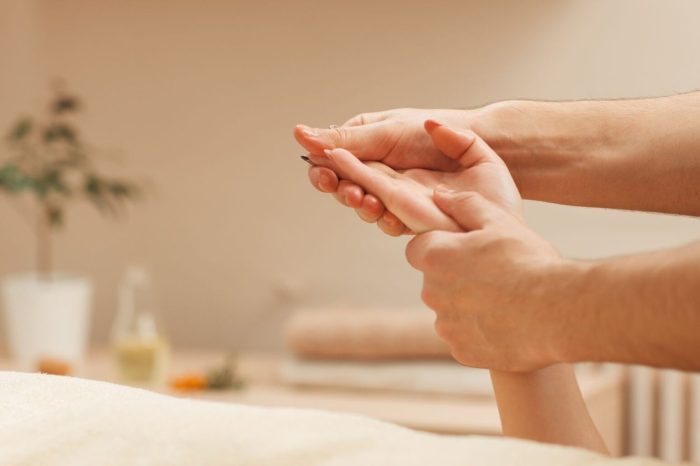
Reflexology massage is like a treasure map of the human body, where your feet and hands hold the secrets to your overall wellness. This fascinating therapy isn’t just about relaxation; it taps into the body’s various reflex points to promote healing and balance. While traditional massages knead away tension in muscles, reflexology takes a more strategic approach—stimulating specific areas to replicate the effects of a full-body treatment.
Let’s embark on a journey through the world of reflexology, where the art of pressure can lead to profound relaxation and rejuvenation.The principles of reflexology are founded on the belief that there are zones and reflex areas in the hands and feet that correspond to every organ and part of the body. This ancient practice operates on the premise that applying pressure to these areas can evoke a healing response throughout the body.
Unlike traditional massage therapies that focus on muscle manipulation, reflexology hones in on these specific points, promoting relaxation and wellness in a different yet equally effective manner. It’s like sending a text message to your organs—“Hey, let’s feel good!”—with every gentle push on a reflex point.
Historical Background and Cultural Significance
Reflexology has a rich history that dates back thousands of years, traversing cultures and civilizations. Ancient Egyptians are believed to have embraced this practice, with inscriptions found in their tombs that depict foot treatment as an essential aspect of health and wellness. Similarly, the Chinese have long incorporated reflexology into their traditional medicine, viewing the feet as a microcosm of the body.
This cultural significance highlights the belief in holistic healing—a practice that recognizes the intertwining of mind, body, and spirit.In the early 20th century, Dr. William Fitzgerald, an American physician, further popularized reflexology, coining the term “zone therapy.” His work laid the groundwork for modern reflexology, which links specific reflex points to various organs, enhancing its credibility and effectiveness. The fusion of history, culture, and science makes reflexology not just a form of massage, but a bridge connecting ancient wisdom with contemporary health practices.
Reflex Points on Feet and Hands
Understanding the reflex points on your feet and hands can be a game-changer for your wellness routine. Each little nook and cranny corresponds to a different organ or bodily function, acting like a GPS system for your health. Here’s a detailed overview of key reflex points that can make your feet and hands the ultimate stress-busters:
Feet Reflex Points
Toes
Correspond with the head, neck, and sinus area. If you’re feeling a headache coming on, give those toes some love!
Ball of the Foot
Represents the heart and lungs. A little pressure here can help with emotional balance and breathing.
Arch of the Foot
Relates to the digestive system. Perfect for those who might have overindulged at dinner!
Heel
Tied to the lower back and sciatic nerve. A great spot for relief after a long day of standing.
Hand Reflex Points
Fingertips
Correspond to the brain and head. A quick pinch can boost your focus and clarity.
Base of the Thumb
Linked to the lungs and heart. Ideal for a quick pick-me-up during stressful meetings.
Palm Center
Represents the solar plexus, the body’s energy center. Perfect for grounding yourself during chaotic moments.
Wrist Area
Corresponds with the reproductive organs. A gentle massage here can soothe and support overall health.Remember, reflexology is like having a personal wellness cheat sheet right at your fingertips—literally! Learning these points not only enhances your self-care routine but can also lead to improved health and a happier you. So next time you’re feeling a little under the weather, just follow the map and press your way to bliss!
Benefits of Reflexology Massage
Reflexology massage isn’t just a footsie game; it’s a holistic approach to wellness that tickles your toes while soothing your soul! This quirky therapy aligns your body’s energy, making your feet the unsung heroes of health. Imagine your feet as tiny maps, where each pressure point corresponds to a different organ or function in your body. This means that by simply pampering your tootsies, you can unlock a treasure trove of health benefits, particularly in the realm of home health care.Reflexology boasts a plethora of health benefits, particularly significant for those managing chronic conditions or seeking relaxation.
This therapeutic technique encourages circulation, reduces tension, and promotes the body’s natural healing processes. A study from the Journal of Alternative and Complementary Medicine indicates that reflexology can lead to a decrease in pain levels, making it a valuable addition to home health care routines. While it may not replace your morning coffee, it certainly complements it by helping to reduce stress and anxiety levels!
Impact on Hypertension and Mood Disorders
Understanding the effects of reflexology on specific health conditions can provide insights into how this practice enhances overall well-being. Specifically, reflexology has shown potential in managing hypertension and mood disorders.Research indicates that reflexology may lower blood pressure by promoting relaxation and reducing stress. When the body is relaxed, the heart doesn’t have to work as hard, allowing blood flow to improve, which can be beneficial for those with hypertension.In terms of mood disorders, reflexology can help alleviate anxiety and depression symptoms.
It works by stimulating the release of endorphins, the body’s natural mood elevators. A case study involving a group of participants suffering from anxiety showed a significant drop in anxiety levels after a series of reflexology sessions. Participants reported feeling lighter, almost as if they were walking on clouds—albeit clouds made of marshmallows!
“Reflexology transforms your feet into magical wands of wellness!”
To bolster these benefits, let’s look at some documented testimonials that underscore the transformative power of reflexology:
- One client shared that after a few reflexology sessions, their chronic headaches began to fade into the background, allowing them to finally enjoy their favorite rom-coms without the distraction of pain.
- An elderly woman reported a noticeable decrease in her blood pressure readings after incorporating reflexology into her weekly routine, which she jokingly attributed to the soothing sounds of her therapist’s voice (who often sang to her while working on her feet).
- A young professional, battling anxiety, found that reflexology sessions became her go-to stress relief, claiming that just 30 minutes of foot pampering turned her into a zen master ready to conquer the corporate jungle.
Reflexology isn’t just about foot rubs; it’s a powerful tool in the arsenal of home health care, providing relief and enhancing overall well-being. So, next time you’re feeling a bit out of sorts, remember: your feet might just hold the key to feeling fabulous!
Integrating Reflexology with Other Health Practices
Reflexology is not just about foot massages; it’s the Swiss Army knife of wellness, whittling away stress and tension like a pro! Imagine combining this magical footwork with meditation and traditional medicine, and you’ve got a holistic health approach that can leave you feeling like you’ve just walked off a spa cloud. When considering reflexology as part of a broader wellness strategy, it becomes essential to recognize its compatibility with established practices.
The intertwining of reflexology with meditation and conventional medicine can provide a more balanced approach to health. For instance, while traditional medicine tackles the physical ailments, reflexology can help alleviate stress-related symptoms, allowing the mind and body to work in harmony. Together, they form a triad of healing that can leave patients feeling rejuvenated and ready to take on the world—or at least the next Zoom call.
Guidelines for Health Professionals on Integrating Reflexology
In the healthcare setting, integrating reflexology into patient care plans can enhance overall wellness and improve patient satisfaction. Here are some practical guidelines for health professionals:
- Evaluate Patient Needs: Begin by assessing patients’ physical and emotional health to determine if reflexology could be beneficial. A foot massage may be just what the doctor ordered, figuratively speaking, of course!
- Collaborate with Reflexologists: Work with certified reflexologists to develop tailored treatment plans that align with medical protocols. It’s like having a secret weapon in your health arsenal!
- Educate Patients: Inform patients about the benefits of reflexology and how it complements their existing treatments. A little knowledge goes a long way in making them feel empowered.
- Monitor Progress: Keep track of any changes in patient health and well-being as reflexology is integrated. Note improvements in mood or reductions in pain levels, then celebrate those wins!
- Foster a Relaxing Environment: Create a soothing atmosphere for reflexology sessions, incorporating elements like soft music and calming scents; think spa vibes, but with a medical twist!
Reflexology and Mind-Body-Spirit Practices
The connection between reflexology and mind-body-spirit practices is as profound as the pressure points on your feet. Reflexology doesn’t just massage your feet; it also kneads your emotional balance back into shape. This synergy can lead to significantly improved mental health and emotional stability. Incorporating reflexology into mind-body-spirit practices gives individuals tools to tackle stress and anxiety. Here’s how reflexology can fit seamlessly into this holistic approach:
- Meditation Enhancement: Reflexology can deepen meditation experiences by relaxing the body and calming the mind. Picture yourself meditating while someone works on your feet—pure bliss!
- Emotional Release: Many clients experience an emotional release during reflexology sessions, helping to clear emotional blockages. It’s like a therapy session, but all you do is kick back and relax!
- Increased Self-Awareness: Reflexology encourages mindfulness, prompting individuals to tune into their bodies and emotions. Who knew your feet could be such great therapists?
- Complementing Spiritual Practices: Many spiritual traditions embrace reflexology for its ability to harmonize energy levels, promoting a sense of connectedness and wholeness. Think of it as a spiritual footpath leading to enlightenment!
The feet are the gateway to the body’s internal landscape; treat them right, and they’ll return the favor tenfold.
Concluding Remarks
As we wrap up our delightful journey through the realms of Reflexology massage, remember that this isn’t just about pampering yourself—it’s about tuning into your body’s unique symphony of health! So the next time you feel a little out of sorts, consider treating those hardworking feet to a little TLC. Your body will thank you, and who knows, you might just find that your stress levels hit the road and never come back!
Expert Answers
What is Reflexology massage?
Reflexology massage is a specialized therapy that uses pressure points on the feet and hands to enhance health and promote relaxation, linking those points to different organs and body systems.
Is Reflexology massage painful?
Not at all! While you may feel some tenderness in specific areas, it should generally be a soothing experience—not a foot-fighting match!
How long does a Reflexology session typically last?
A standard session usually lasts about 30 to 60 minutes, depending on how much pampering your feet can handle!
Can anyone receive Reflexology massage?
Most people can benefit from Reflexology, but it’s always best to check with a healthcare professional if you have underlying health concerns.
How often should I get a Reflexology massage?
For optimal benefits, aim for a session every couple of weeks, but listen to your body—if your feet are crying out for attention sooner, don’t hesitate!


