
Picture this: you, sitting cross-legged like a pro yogi, floating in a cloud of Zen, while the world outside screams, “Hey, don’t forget your taxes!” Welcome to the delightful realm of Daily meditation, where tranquility meets reality in a comedic tango. If you’ve ever wished to find your inner calm amid the chaos of everyday life, you’ve hit the jackpot!
In this guide, we’ll explore a buffet of meditation techniques tailored for daily practice, perfect for both beginners and seasoned pros. We’ll also spill the secret sauce on creating the ultimate meditation nook at home, and dive deep into the health perks that come from cultivating this peaceful habit. So, grab your favorite cushion, and let’s embark on this serene adventure together!
Daily Meditation Techniques
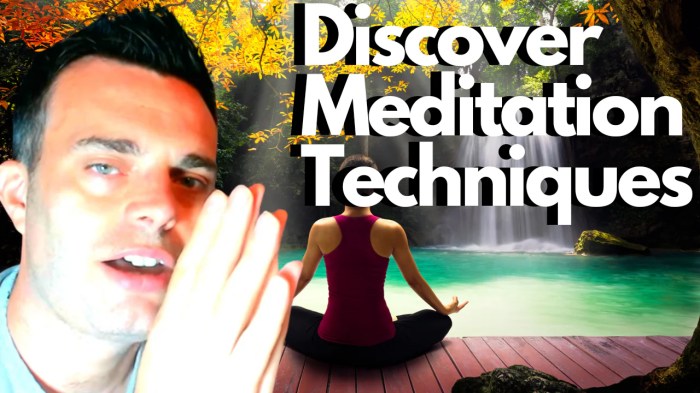
Meditation is like a spa day for your mind—except instead of a whirlpool, you get a whirlpool of thoughts to wade through. Daily meditation can help you reduce stress, improve focus, and cultivate a sense of peace that even your most hyperactive thoughts will envy. With a variety of techniques, there’s something for everyone. So, grab your imaginary yoga mat, and let’s dive into the art of daily meditation.
Meditation Methods for Daily Practice
Choosing the right meditation method can be as crucial as picking the right outfit for a first date—skip the awkwardness and go for what fits. Here are some popular techniques suitable for daily practice:
- Mindfulness Meditation: This method involves focusing on the present moment. Begin by sitting comfortably, closing your eyes, and paying attention to your breath. When your mind drifts, gently pull it back to your breathing.
- Guided Visualization: Imagine you’re lying on a beach or frolicking through a meadow of daisies. Guided meditations can be found in apps or online, leading you through relaxing imagery.
- Transcendental Meditation: This technique uses a mantra (a specific word or sound) to settle the mind. Repeat your mantra silently to yourself and let the thoughts float away like helium balloons.
- Body Scan Meditation: This involves focusing your attention on different parts of your body, releasing tension as you go. Start from your toes and work your way up, like a very chill game of ‘Simon Says’ with your body.
Step-by-Step Guide for Beginners
Starting your meditation journey can feel daunting, but it doesn’t have to be like entering an alien spaceship with no instruction manual. Here’s a simple guide to help you embark on your daily meditation practice:
- Find a Comfortable Space: Choose a quiet spot where you won’t be interrupted. It could be a cozy corner of your room or a sunny spot in the garden.
- Set a Timer: Start with just five minutes. You can gradually increase the time as you get more comfortable—kind of like adding more cheese to a pizza.
- Get Comfortable: Sit in a position that feels good to you. Whether you prefer cross-legged or lounging on a chair, just ensure your body is relaxed.
- Focus on Your Breath: Take a few deep breaths, inhaling through your nose and exhaling through your mouth. Then let your breath flow naturally, observing each inhale and exhale.
- Gently Redirect Thoughts: When you notice your mind wandering off like a cat chasing a laser pointer, gently guide it back to your breath. This is a normal part of the process.
Creating the Ideal Meditation Space
Creating a meditation space at home is like building a personal zen garden, without the need for rakes and rocks. Here’s how to set up your own sanctuary of serenity:
“Your meditation space should reflect peace and comfort—think less ‘chaotic coffee shop’ and more ‘tranquil retreat in the woods.'”
- Location Matters: Choose a spot that feels good to you—quiet, cozy, and away from the hustle and bustle. It’s like picking the perfect spot for a picnic, but without the ants.
- Comfortable Seating: Use cushions, a yoga mat, or a chair that supports your back. Your goal is to be comfortable enough to sit for a while without feeling like you’re auditioning for a contortionist role.
- Add Personal Touches: Decorate with calming elements, like candles or essential oils. Consider including plants or crystals that bring you joy, making your space feel special and uniquely yours.
- Minimize Distractions: Turn off notifications on your devices, unless you fancy your meditation being interrupted by a notification about the latest cat meme. Close the door, and let the outside world fade into the background.
Health Benefits of Daily Meditation
Meditation isn’t just about sitting cross-legged and trying to channel your inner Zen master while ignoring the world’s chaos. It’s a powerhouse for both your physical and mental health! By embracing a few minutes of daily meditation, you can unlock a treasure trove of benefits that will have you feeling as light as a feather and as sharp as a tack.
Let’s dive into the marvelous world of meditation and discover how it can transform your health.
Physical and Mental Health Improvements
Regular meditation is like a magical elixir that benefits both your body and mind. It reduces stress, lowers blood pressure, and even enhances your immune system, making you feel invincible! Studies show that meditation can significantly reduce cortisol levels, the sneaky hormone responsible for stress. With consistent practice, individuals often report:
- Improved sleep quality, leading to a refreshed and vibrant morning vibe that coffee can’t even compete with.
- Enhanced focus and concentration, making you feel like a laser beam ready to tackle any task, even that pile of laundry you’ve been avoiding.
- Increased emotional resilience, allowing you to bounce back from life’s curveballs like a pro.
Impact on Mood Disorders and Anxiety Management
Meditation serves as a secret weapon in the battle against mood disorders and anxiety. Imagine having a mental spa day, complete with fluffy towels and soothing music, every time you meditate. Research indicates that mindfulness meditation can alleviate symptoms of anxiety and depression by promoting positive thought patterns and calming the mind. As a result, people may experience:
- A noticeable reduction in anxiety levels, making those stressful situations feel more like a light drizzle than a hurricane.
- Better emotional regulation, allowing for a more balanced response to daily life’s ups and downs.
- Increased feelings of compassion and empathy, which can transform your relationships into something straight out of a feel-good movie.
Complementing Home Health Care Routines
Meditation can seamlessly integrate into home health care routines, enhancing both physical recovery and emotional well-being. Imagine pairing your physical therapy with a few mindful breaths – it’s like adding whipped cream to your hot chocolate! Here are ways meditation complements home health care:
- It promotes relaxation, which is essential for healing, ensuring that your body isn’t just on the mend but also in a pleasant state of mind.
- Meditation can help manage chronic pain better than a bag of frozen peas, as it encourages the release of endorphins, your body’s natural painkillers.
- Using guided meditation can assist patients with memory issues, providing gentle reminders that are more relaxing than your overly enthusiastic personal trainer.
“Meditation is not about stopping thoughts, but recognizing that they are just thoughts and letting them pass.”
Integrating Meditation into Daily Life
In the bustling circus of life, integrating meditation can seem as difficult as teaching a cat to fetch. However, fear not, for with a sprinkle of creativity and a dash of humor, you can weave mindfulness into your daily routine smoother than a barista’s latte art. Let’s dive into how you can schedule meditation in a busy lifestyle and pair it with your home health care routine to keep stress and hypertension at bay while keeping the spirit light!
Creating a Schedule for Meditation
When juggling work, family, and the inevitable surprise of a rogue sock in the laundry, it’s crucial to carve out a sacred space for meditation. Here’s a schedule that won’t require a time-turner:
- Morning Moments: Start your day with 5-10 minutes of meditation pre-coffee. Yes, it’s possible—just don’t blame us if you momentarily forget how to function. Aim for a seated position and focus on your breath or visualize your day ahead.
- Midday Mindfulness: Take a break during lunch. Step outside, breathe deeply, and appreciate the world, preferably without social media distractions. A quick 5-minute walk while focusing on your surroundings can rejuvenate your mind.
- Evening Unwind: Before bedtime, dedicate at least 10 minutes to meditation. Whether you choose guided meditation or simply sit in silence, this practice can help you leave the day’s chaos behind and prepare for restful sleep.
To clarify, meditation does not mean staring blankly at a wall until you become one with it (though if that works for you, go for it!). It’s about creating moments of calm amidst the storm of daily chores and commitments.
Mindfulness Practices in Home Health Care
Mindfulness practices can be seamlessly integrated into home health care routines, allowing caregivers to maintain their well-being while providing support to others. These practices enhance focus, improve emotional resilience, and can even make the tasks feel less like chores and more like a dance. Here’s how:
- Mindful Washing: As you wash dishes or bathe a loved one, concentrate on the sensation of water, the warmth of a towel, or the sound of soap suds. Each action becomes a mini-meditation session.
- Gratitude Breaks: Before or after a task, take a few moments to express gratitude for your abilities, your loved ones, or even that one sock you found. Write them down if you’re feeling fancy!
- Breath Awareness: Throughout your day, take a moment to notice your breath. Inhale slowly, hold it, and exhale fully. Repeat this several times, particularly during stressful moments. It’s like hitting the refresh button on your brain.
Engaging in these practices not only nurtures your mental health but also positively impacts those you care for. The vibe you send out is often the vibe you get back—so sprinkle that mindfulness everywhere!
Meditation for Managing Hypertension and Stress
There’s a heartwarming connection between meditation and hypertension management, akin to that moment when you finally find the matching sock in the laundry. Studies indicate that regular meditation can lower blood pressure and improve overall heart health. Here’s how:
- Relaxation Response: Meditation triggers this response, which helps reduce tension and stress hormones in the body. Imagine your blood vessels expanding, allowing blood to flow like a gentle river instead of a raging waterfall.
- Focus on Visualization: Picture stress leaving your body as you breathe out, like deflating a balloon. This technique can help reduce anxiety and promote relaxation, which can lower blood pressure.
- Consistency is Key: Commit to a daily practice. Just like brushing your teeth, meditation should be a non-negotiable part of your health routine. Carve out that space and make mindfulness your new best friend!
As you embark on this journey of integrating meditation into your daily life, remember: every moment spent in mindfulness is an investment in your well-being. So, grab a cushion, find your zen, and don’t forget to laugh at the little absurdities life throws your way!
Concluding Remarks
As we wrap up this whimsical journey through Daily meditation, remember that cultivating a peaceful mind is less about perfection and more about progress. Whether you find solace in a quiet corner of your home or amidst the chaos of family life, meditation is your trusty sidekick in managing stress and boosting happiness. So, go ahead, take a deep breath, and let the waves of calm wash over you.
Namaste till next time!
FAQ Overview
What is the best time of day to meditate?
The best time to meditate is when you can consistently carve out a few moments of peace, whether it’s morning, noon, or night—choose your zen zone!
Do I need to sit in a certain position to meditate?
Not at all! Sit in whatever position makes you feel comfortable, whether that’s cross-legged or lounging on your couch like a meditation superstar.
How long should I meditate each day?
Even a few minutes of meditation can make a difference! Start with 5-10 minutes and ramp it up as you feel more comfortable—like adding toppings to your favorite pizza!
Can I meditate if I have a busy mind?
Is meditation suitable for everyone?
Yes, meditation is like a universal language of peace! It can benefit anyone, regardless of age or lifestyle. Just give it a shot!


