
Welcome to the world of Public health, where we wrangle with hypertension, meditate our worries away, and give a warm hug to home health care! Imagine a place where your blood pressure is as calm as a Zen master and your caregivers are superheroes in scrubs, swooping in to rescue you from the clutches of illness. Sounds blissful, right? Well, that’s the essence of public health – a dynamic blend of community support, innovative strategies, and a sprinkle of mindfulness!
In this delightful journey, we’ll explore the pivotal role of home health care in patient recovery, tackle the blood pressure beast with clever strategies, and find our inner peace through meditation. Get ready for a rollercoaster ride through the quirks and perks of public health that will leave you both informed and entertained!
Home Health Care
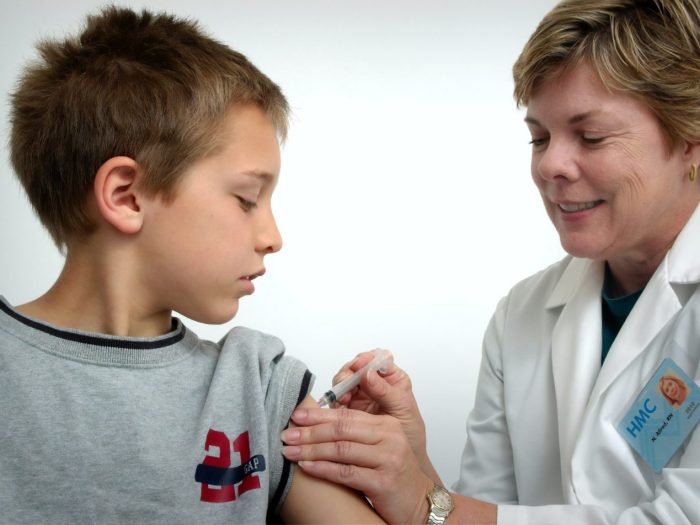
Home health care is like the warm blanket that covers the chilly reality of recovery. It brings health professionals right to your living room, allowing patients to recuperate in the comfort of their own homes rather than in a sterile hospital bed. This approach not only accelerates recovery but also enhances the quality of life, proving that sometimes, healing happens best where you feel most at home—whether that’s on your couch or in your favorite armchair.The importance of home health care in public health cannot be overstated.
It reduces the burden on hospitals and health care systems while fostering a supportive environment that encourages healing. Studies have shown that patients who receive care at home have lower rates of hospital readmissions and enjoy better overall outcomes. They are more likely to stick to their medication regimens, attend follow-up appointments, and feel empowered about their health.
Common Home Health Care Services
Home health care services are diverse, tailored to meet the unique needs of patients. These services not only provide medical attention but also cater to everyday living, ensuring patients can thrive at home. Here are some key examples of services offered:
- Skilled Nursing Care: Nurses provide services such as wound care, medication management, and monitoring vital signs, ensuring that patients receive professional medical attention without leaving home.
- Physical Therapy: Therapists work with patients on mobility and strength exercises tailored to their specific recovery needs, turning the living room into a mini rehab center.
- Occupational Therapy: Helping patients regain independence in daily activities, occupational therapists may suggest modifications to the home environment, making it easier to perform tasks.
- Home Health Aides: These aides assist with personal care tasks like bathing, dressing, and meal preparation, providing essential support for daily living.
Each of these services comes with a plethora of benefits. For instance, skilled nursing care allows for complex medical needs to be met right at home, fostering a sense of security and comfort. Physical therapy promotes recovery while encouraging movement and activity in a familiar setting. Occupational therapy focuses on enhancing the patient’s ability to perform daily tasks, boosting confidence and independence, while home health aides provide the vital assistance needed to maintain quality of life.
Role of Caregivers in Home Health Care
Caregivers are the unsung heroes of home health care, often juggling multiple roles as they provide both physical and emotional support to patients. They transform homes into nurturing environments, ensuring that care is not just delivered but also personalized. Caregivers face numerous challenges in this demanding role, including physical strain, emotional fatigue, and the complex dynamics of managing chronic conditions.The importance of caregivers is highlighted when you consider the depth of their involvement in the healing process.
They serve as the bridge between patients and health professionals, ensuring that communication flows smoothly and that the patient receives continuity of care. Often, caregivers must navigate a maze of medical terminologies, scheduling conflicts, and even household responsibilities, all while maintaining a positive attitude and a sense of humor—because let’s face it, sometimes laughter is the best medicine!
“Caregiving often calls us to lean into love we didn’t know possible.”
While caregivers make a profound difference in the recovery journey, they also encounter significant challenges, such as the physical demands of lifting and moving patients, as well as the emotional toll of witnessing a loved one’s struggles. It’s not uncommon for caregivers to feel overwhelmed, emphasizing the need for community support, respite care, and resources that can help them cope with their vital role.
By supporting caregivers, we support the entire home health system, creating a healthier environment for everyone involved.
Health and Hypertension
Hypertension, often dubbed the “silent killer,” sneaks up on many, unaware until it’s too late. Public health initiatives play a crucial role in managing hypertension, not just for individuals but for entire communities. After all, preventing high blood pressure is much better than trying to lower it while juggling a dozen other health issues!Public health initiatives have a direct relationship with the management of hypertension through education, screening programs, and promoting healthier lifestyles.
By raising awareness and providing accessible resources, these initiatives empower individuals to take charge of their health, reducing the risks associated with high blood pressure. Countries with robust public health campaigns often see a significant drop in hypertension prevalence, showcasing the power of community-focused strategies.
Raising Awareness About Hypertension
Creating a buzz around hypertension awareness is crucial for community health. Engaging strategies can turn the tide, making blood pressure monitoring as trendy as the latest dance craze. Here are some effective ways communities can raise awareness:
- Community Health Fairs: These events can provide free blood pressure screenings, educational booths, and healthy cooking demonstrations. Imagine the sights and sounds of a bustling fair, where people jive to the rhythm of health while learning the ins and outs of managing hypertension!
- Social Media Campaigns: Utilize social platforms to share infographics, videos, and testimonials that highlight the importance of hypertension awareness. A well-placed meme about the dangers of salt can go viral faster than a cat video!
- Collaborations with Local Businesses: Partner with gyms, restaurants, and grocery stores to promote health-focused events or discounts on healthy foods. After all, who wouldn’t want a “Lower Your BP” smoothie special at their favorite café?
- Support Groups: Establishing groups where people can share experiences and strategies can foster a sense of community and support. It’s like a book club, but instead of discussing fictional characters, you’re tackling real-life blood pressure challenges!
Dietary Changes in Controlling Blood Pressure
What’s on your plate can make a world of difference when it comes to blood pressure management! Dietary changes are at the heart of controlling hypertension, and they can significantly improve public health outcomes. The DASH diet (Dietary Approaches to Stop Hypertension) is a prime example, emphasizing fruits, vegetables, whole grains, and low-fat dairy—an absolute feast for your taste buds and arteries alike!Consider these key dietary strategies for managing hypertension:
- Reduce Sodium Intake: Lowering sodium can dramatically impact blood pressure levels. Aiming for less than 2,300 mg a day (or even better, 1,500 mg) can be a game-changer. Remember, a pinch of salt can lead to a mountain of pressure!
- Increase Potassium-Rich Foods: Foods high in potassium, such as bananas, sweet potatoes, and spinach, help counteract sodium’s effects. Think of potassium as the superhero that swoops in to save the day from the dastardly deeds of high blood pressure!
- Adopt Healthy Fats: Unsaturated fats found in olive oil, avocados, and nuts are beneficial for heart health. They’re the good guys in the fat world, unlike their saturated cousins that high-five hypertension!
- Limit Alcohol Consumption: While a glass of wine can be relaxing, excessive alcohol can raise blood pressure. Moderation is key; think of it as enjoying a fine cheese in small bites rather than devouring the whole wheel!
“Let food be thy medicine and medicine be thy food.” – Hippocrates. This ancient wisdom rings true even today, especially for hypertension management!
Health and Meditation
Meditation, the ancient art of sitting still while your brain runs a marathon, has become a cornerstone in the pursuit of mental wellness. As public health campaigns increasingly promote the benefits of meditation, it’s clear that this practice isn’t just for yogis in flowing garments but is a necessary tool for everyone living in our fast-paced world. From reducing anxiety to enhancing cognitive function, the effects of meditation on mental health are as profound as the sound of one hand clapping.
Effects of Meditation on Mental Health
The link between meditation and mental health is clearer than ever. Studies reveal that regular meditation can decrease symptoms of anxiety, depression, and stress. It’s like giving your mind a mini-vacation every day! By focusing on the present moment and cultivating awareness, meditators can learn to observe their thoughts without judgment, leading to a more balanced emotional state. Public health campaigns are now leveraging this knowledge, highlighting meditation as a feasible and impactful strategy for improving mental health on a grand scale.
“Meditation is the dance of the mind and soul, where stress takes a backseat and calm takes the wheel.”
Integrating Meditation into Daily Routines
To incorporate meditation into daily routines for stress management, a few simple techniques can keep your zen intact even amidst chaos. Remember, this isn’t about locking yourself away in a mountain cave; it’s about finding moments of peace in your everyday life.
- Start Small: Begin with just five minutes a day. Like a toddler learning to walk, don’t rush into a full marathon of mindfulness.
- Set a Timer: Use an app or good old-fashioned clock. When the alarm goes off, you can return to the chaos knowing you’ve found your calm.
- Use Guided Meditations: Plenty of apps and online resources provide gentle guidance, like a GPS for your wandering thoughts.
- Focus on Breath: Concentrate on your breathing—inhale the good vibes, exhale the stress. It’s like an internal detox!
- Be Consistent: Try to meditate at the same time every day. Make it a part of your routine, like brushing your teeth but less minty.
Implementation of Meditation Programs in Schools and Workplaces
Public health organizations can take a leading role in developing meditation programs in schools and workplaces, creating environments that nurture mental well-being. Here’s a straightforward guide to accomplish this:
1. Conduct Workshops
Start with fun introductory workshops that demystify meditation. Use engaging speakers who can make the practice feel accessible and enjoyable.
2. Designate Quiet Spaces
Create serene areas within schools and workplaces where individuals can retreat for short meditation sessions—think Zen gardens with a touch of beanbag chairs.
3. Offer Regular Classes
Schedule weekly meditation classes, possibly during lunchtime, so busy bees can buzz into tranquility without losing productivity time.
4. Incorporate Technology
Encourage the use of meditation apps that can be easily accessed on smartphones. After all, if it’s not on our phones, do we really believe it exists?
5. Gather Feedback
Regularly collect feedback on the program’s effectiveness. Are people feeling calmer? Are they trading coffee breaks for mindful moments? Adjust based on response to ensure the program remains beneficial.
“By investing in meditation, we invest in a healthier, happier, and more productive future for all.”
Closing Summary
As we wrap up this whimsical adventure in Public health, let’s take a moment to appreciate the tapestry woven from home care, hypertension management, and the peaceful threads of meditation. Each element plays a crucial role in enhancing community wellness and individual happiness. So, whether you’re embracing the healing powers of home health or diving into the serene waters of mindfulness, remember that public health is not just a field; it’s a fun-filled fiesta for your well-being!
Common Queries
What is public health?
Public health is the science of protecting and improving the health of people and their communities through education, promotion of healthy lifestyles, and disease and injury prevention.
How does meditation affect mental health?
Meditation can significantly reduce stress, anxiety, and depression, leading to better mental health and overall well-being.
What are common home health care services?
Common services include nursing care, physical therapy, and personal care assistance, all aimed at supporting recovery in the comfort of home.
Why is hypertension a public health concern?
Hypertension affects a large portion of the population and can lead to serious health issues like heart disease and stroke, making its management vital for community health.
How can communities raise awareness about hypertension?
Communities can organize health fairs, distribute educational materials, and host workshops to promote awareness and prevention strategies for hypertension.


