
Welcome to the riveting realm of skilled nursing care, where highly trained professionals don their superhero capes (well, scrubs) to help patients bounce back like a basketball on a good day! Imagine a world where recovery is not just a goal but a well-coordinated dance of expertise, compassion, and just the right amount of humor to lighten the mood. Skilled nursing care isn’t just about the physical; it encompasses everything from the therapeutic touch of a massage to the calming force of meditation, making it a vital cog in the wheel of healing.
As we dive deeper, we’ll explore the various types of skilled nursing services that turn the daunting process of recovery into a more manageable journey. We’ll also unpack the impressive qualifications of the nurses involved, because let’s face it, not just anyone can wield a stethoscope while multitasking like a pro!
Understanding Skilled Nursing Care
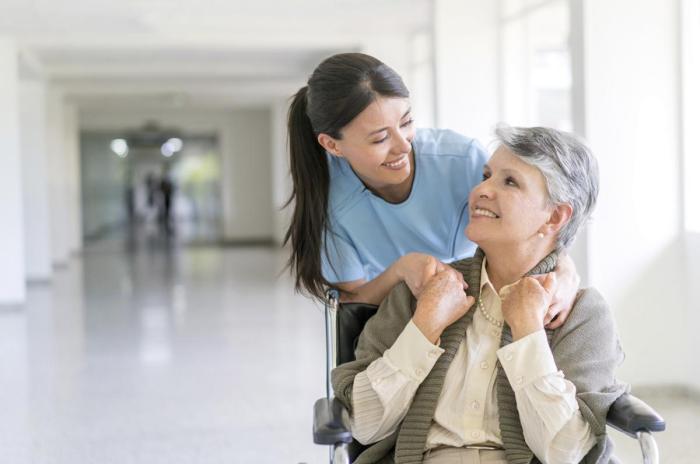
Skilled nursing care is like the Swiss Army knife in the healthcare toolbox—versatile, essential, and often just as complicated as trying to assemble furniture with only the instructions in Swedish. This specialized form of care plays a vital role in patient recovery, providing not just physical support, but also a sprinkle of emotional comfort, which is often needed when one is in the throes of recuperation.
Skilled nursing care is crucial for patients recovering from surgery, illness, or injury. It encompasses a range of services provided by licensed professionals aimed at promoting health and well-being. These services are tailored to meet the unique needs of each patient, ensuring that they receive the appropriate level of care necessary for their recovery journey.
Types of Skilled Nursing Services
The world of skilled nursing services is as diverse as a box of chocolates—only without the calorie count and with slightly more bandages. Here’s a glimpse into the various services that make up this essential care:
- Post-Surgical Recovery: After a major operation, patients often need specialized care to monitor their recovery and manage pain. Think of it as having a personal cheerleader who knows how to change a dressing and dispense medication.
- Rehabilitation Services: This includes physical, occupational, and speech therapy, helping patients regain their independence. It’s like getting back on a bicycle—except sometimes it involves more than just a little wobbling.
- Chronic Illness Management: For those with diabetes, heart disease, or other chronic conditions, skilled nursing staff can help manage symptoms and medication, ensuring that patients stay on the right track. This is like having a GPS for your health—minus the annoying recalculating.
- Wound Care: Skilled nurses are equipped to treat complex wounds that require specialized techniques and care. It’s not glamorous, but it’s absolutely essential—like the unsung hero of a superhero movie.
- Medication Management: These professionals ensure that patients take their medications correctly and on time, transforming the complicated dance of dosages into a smooth waltz.
Qualifications and Training of Skilled Nursing Staff
The superheroes behind skilled nursing care are the highly trained professionals who have dedicated years to mastering their craft. The qualifications and training of these skilled nursing staff are extensive and rigorous, ensuring that they are prepared to address a wide array of patient needs. Becoming a skilled nurse typically involves earning a degree in nursing, passing a licensure examination, and acquiring specialized training in various areas of patient care.
Many skilled nurses also engage in continuing education to keep up with the latest advancements in medical technology and treatment protocols.
| Qualification | Description |
|---|---|
| Nursing Degree | A bachelor’s or associate degree in nursing, providing the foundational knowledge needed for patient care. |
| Licensure Examination | Passing the NCLEX-RN or NCLEX-PN exam is essential to become a licensed nurse. |
| Specialized Training | Additional training in areas such as geriatrics, pediatrics, or rehabilitation ensures a broad skill set. |
| Continuing Education | Ongoing education keeps nurses updated on the latest practices and innovations in healthcare. |
“Skilled nursing care isn’t just about healing; it’s about nurturing the human spirit while guiding the body back to health.”
Skilled Nursing Care vs. Home Health Care
When it comes to choosing between skilled nursing care and home health care, it’s essential to unmask the superhero identities of these services. One is like the trusty sidekick ready to provide help at home, while the other is the experienced hero with a cape—a licensed nursing facility dedicated to providing round-the-clock care. Both have their superpowers, but their effectiveness depends on the situation.Skilled nursing care and home health care both offer vital support, but they cater to different needs and preferences.
Skilled nursing care typically involves professional medical services provided in a facility or specialized center, including 24/7 care from registered nurses, therapeutic treatments, and rehabilitation services. In contrast, home health care delivers personalized medical care and assistance directly in a patient’s home, usually offering a more comfortable and familiar environment. This includes services like medication management, physical therapy, and help with daily activities.
Comparison of Services Offered
Understanding the differences in services offered can help clarify which option may fit best. Here’s a breakdown of what each service typically includes:
- Skilled Nursing Care:
- 24/7 nursing supervision
- Complex medical treatments and procedures
- Rehabilitation therapies (physical, occupational, and speech)
- Life-sustaining interventions
- Nutrition management
- Home Health Care:
- Assistance with personal hygiene and daily living activities
- Medication administration and management
- Basic health monitoring (vital signs, blood pressure)
- Physical, occupational, and speech therapies at home
- Companionship and support
The choice between skilled nursing care and home health care often depends on the level of medical attention required. Skilled nursing is preferred for patients recovering from surgery, managing chronic illnesses, or those needing rehabilitation after an accident or stroke. Meanwhile, home health care is ideal for individuals who require assistance with day-to-day tasks or ongoing support for stable health conditions, allowing them to remain in their own cozy abode—complete with their favorite armchair.
Cost Implications of Care Options
Cost can be a significant factor when choosing between skilled nursing care and home health care. While the price varies widely based on location, services required, and specific provider, understanding the financial implications can guide decisions.In general, skilled nursing care tends to be more expensive due to the higher level of medical services provided. The average cost can range from $200 to $500 per day, depending on the facility and the complexity of care needed.
This can add up quickly, making it a considerable investment for families.On the other hand, home health care services typically cost less, with average rates ranging from $20 to $100 per hour, based on the type of care and support required. Although less expensive on an hourly basis, it’s essential to consider how many hours of care are needed weekly, as this can affect the overall expense.
“Cost should never dictate care; it should merely guide the journey to the best option for loved ones.”
Families must carefully evaluate their financial capacities and the specific needs of their loved ones. In many cases, a hybrid approach that combines both skilled nursing and home health care may offer a balanced solution for meeting medical needs while controlling costs.
Health Related Topics Influencing Skilled Nursing Care
In the realm of skilled nursing care, myriad health-related topics can significantly sway the need for specialized services. Delving into conditions like hypertension, the soothing embrace of massage therapy, and the tranquil waters of meditation unveils a rich tapestry of health influences. Each element plays a unique role in fostering recovery and enhancing patient well-being, creating a symphony of care that can turn the most daunting rehabilitation into a delightful journey.
Impact of Hypertension on the Need for Skilled Nursing Care
Hypertension, often dubbed the “silent killer,” can dramatically increase the demand for skilled nursing care. This condition not only elevates blood pressure but also acts like an uninvited guest at the health party, bringing along complications such as stroke or heart disease. When hypertension spirals out of control, patients may require constant monitoring and management, making skilled nursing a vital lifeline.
The following points highlight the implications of hypertension in skilled nursing care:
-
Elevated blood pressure can lead to severe health complications, necessitating ongoing supervision and interventions.
- Patients may experience medication side effects requiring professional guidance for adjustments in treatment.
- Skilled nurses provide education on lifestyle modifications, such as diet and exercise, which are critical in managing hypertension.
- Regular assessments and blood pressure monitoring are essential in preventing crises, showcasing the necessity of skilled nursing interventions.
Massage Therapy Complementing Skilled Nursing Care for Rehabilitation
Massage therapy can be the cherry on top of the skilled nursing care sundae, offering a unique enhancement during rehabilitation. Beyond merely feeling good, massage can alleviate pain, reduce muscle tension, and improve circulation—the trifecta of goodness that patients are always looking for. Here’s why massage therapy deserves a spotlight in skilled nursing care:
- Reduces muscle tightness and discomfort, supporting physical rehabilitation goals.
- Enhances relaxation, allowing patients to recover in a more serene and stress-free environment.
- Improves blood flow, which can expedite healing and recovery time for postoperative or injury patients.
- Fosters a holistic approach, addressing both physical and emotional aspects of recovery, making it a favorite among patients.
Role of Meditation in Enhancing Overall Health of Patients Receiving Skilled Nursing Care
Meditation is like a spa day for the mind—refreshing, rejuvenating, and incredibly beneficial. For patients in skilled nursing care, meditation serves as a powerful tool to enhance overall health and improve quality of life. It fosters mental clarity and emotional stability, ensuring that patients feel more in control of their health journey.The advantages of incorporating meditation into skilled nursing care include:
- Reduces stress and anxiety, promoting a sense of calm and well-being.
- Enhances focus and mental clarity, which can be especially beneficial for patients dealing with cognitive decline.
- Encourages a positive outlook, helping patients navigate the challenges of recovery with hope and resilience.
- Supports pain management by shifting attention away from discomfort, offering a natural relief strategy.
Epilogue
In conclusion, skilled nursing care is like the Swiss Army knife of the medical world—versatile, effective, and sometimes a little too sharp! With its ability to bridge the gap between hospital and home, it offers tailored care that meets individual needs, ensuring that recovery isn’t just a dream but a reality within reach. So next time you think of recovery, give a nod to the unsung heroes in scrubs who are masterfully orchestrating the symphony of health!
Quick FAQs
What exactly is skilled nursing care?
Skilled nursing care involves specialized care provided by licensed professionals to help patients recover from illness or injury, often in a facility or during home visits.
How do I know if I need skilled nursing care?
If you’re recovering from surgery or a serious health condition and require medical monitoring or rehabilitation, skilled nursing may be the ticket!
Are skilled nursing facilities the same as hospitals?
Not quite! Skilled nursing facilities focus on long-term rehabilitation and recovery, while hospitals are for acute care and emergencies.
How do costs compare between skilled nursing care and home health care?
While skilled nursing care can be pricier due to the intensity of services, sometimes it’s more cost-effective than ongoing home health care for complex needs.
Can I receive skilled nursing care at home?
Absolutely! Many skilled nursing services can be delivered at home, allowing you to recover in the comfort of your own space.


